
500 Years old Qutb Shahi Masjid Sheikpet
History
Qutb Shahi Architecture
Qutb Shahi architecture is a distinct Indo-Islamic style developed under the Qutb Shahi dynasty, also known as the Golconda Sultanate. Its monuments dominate Hyderabad and its surroundings. The earliest example is the Golconda Fort, which predates the founding of the city. The style flourished under Muhammad Quli Qutb Shah, founder of Hyderabad, who constructed the Charminar as its centerpiece.
Closely resembling the Bahmani Sultanate and other Deccan Sultanates of Gulbarga, Bijapur, and Bidar, Qutb Shahi architecture is marked by strong Persian influences. Later Asaf Jahi rulers revived this style in structures such as the Afzal Gunj Masjid. In 2014, UNESCO placed several Qutb Shahi monuments on its tentative list for World Heritage status under Monuments and Forts of the Deccan Sultanate.
Identifiable features
- Expansive mosques and palaces in granite.
- Inscriptions with Persian poetry and Quranic verses.
- Heavy stucco ornamentation.
- Jali (latticed) screens.
Qutub Shahi Sheikhpeth Mosque (Masjid-e-Miran Hussaini)
Built during the Qutb Shahi dynasty (16th–17th century), this mosque reflects the period’s characteristic style with arches, domes, minarets, and fine ornamentation—showing Persian, Turkish, and Indian influences. Beyond its architecture, the mosque has served for centuries as a place of worship and spiritual contemplation for the local Muslim community.
The mosque is part of Hyderabad’s cultural heritage, symbolizing the dynasty’s legacy of art and architecture. It has witnessed the historical transitions of the region while continuing to function as a site of religious and cultural significance.
Restoration
Site Documentation
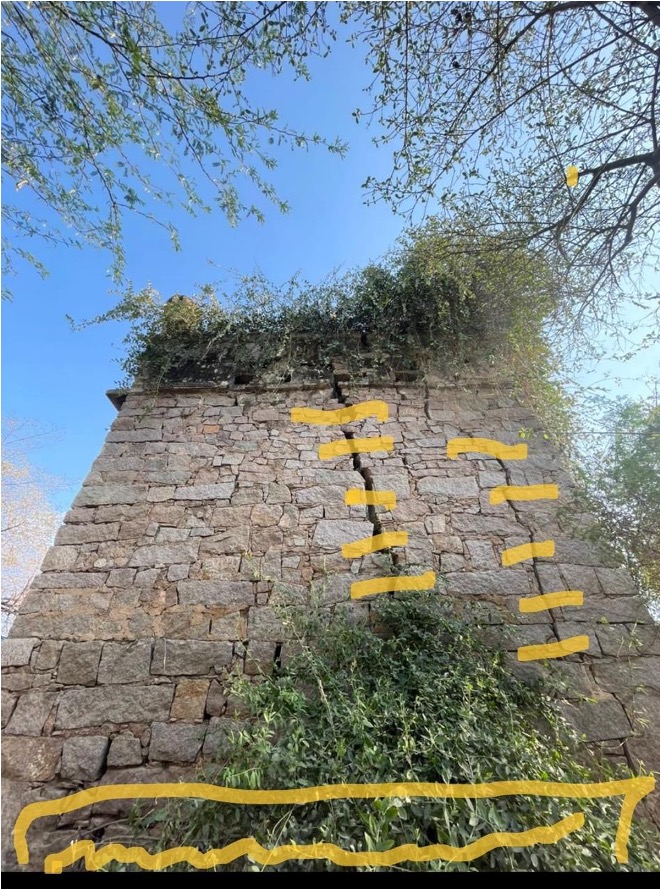
To assess the existing condition, the Deccan Terrain Heritage team carried out a detailed site survey. This included architectural measurements, structural analysis, and evaluation of damage, interventions, and alterations. The site was observed over several days to form a comprehensive conservation plan.
Process of Conservation
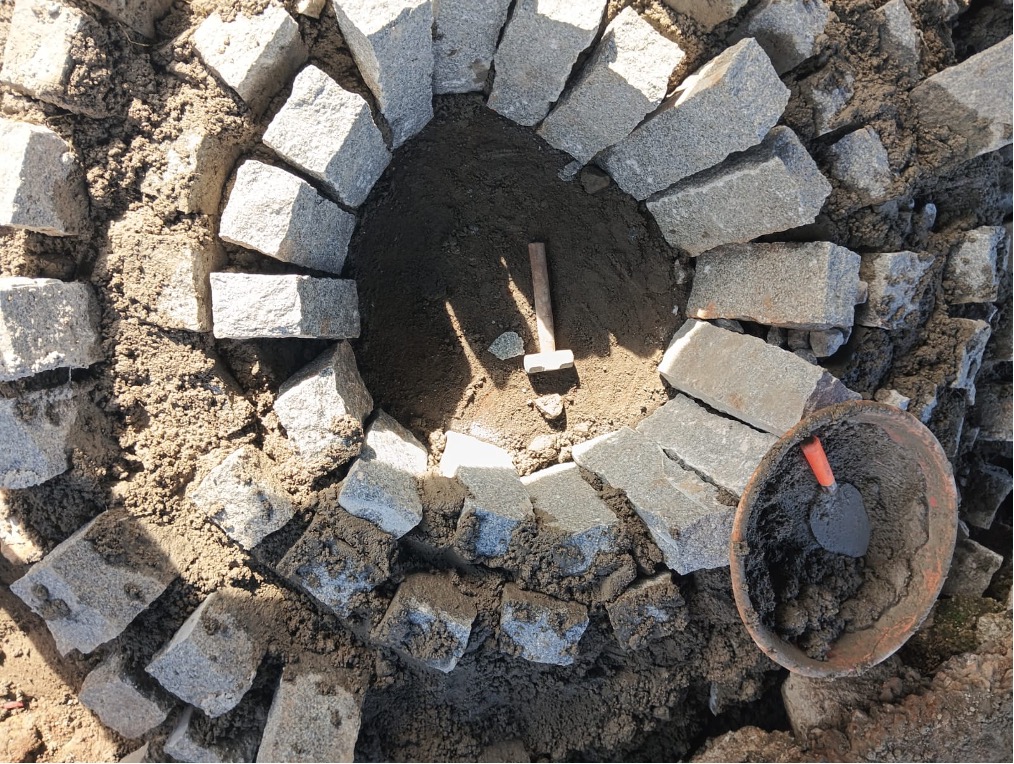
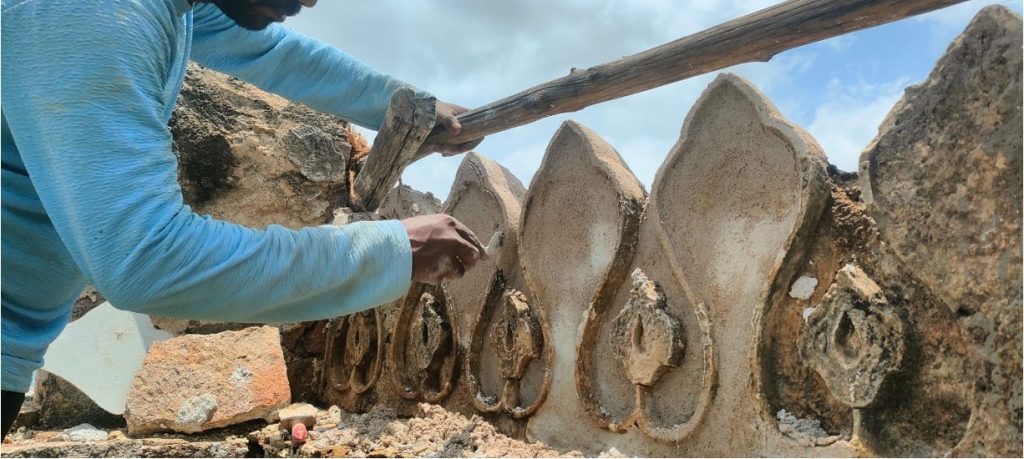
Efforts to preserve the Qutub Shahi Sheikhpeth Mosque focus on safeguarding its historical and architectural essence. Conservation initiatives and restoration projects are directed at stabilizing the structure, repairing damages, and ensuring its longevity as a heritage landmark. These efforts not only protect the monument’s physical form but also sustain its cultural and spiritual relevance for future generations.






- Replaced wooden members and realigned doors with handmade hinges.
- Added handmade missing iron knobs on the wooden panel of the door.
- Hand-polished the entire door and applied a matt finish PU MRF coat to protect from harsh weather.